San Francisco
California, USA · Golden Gate Park


6 places pinned — click any one for its story.
The place
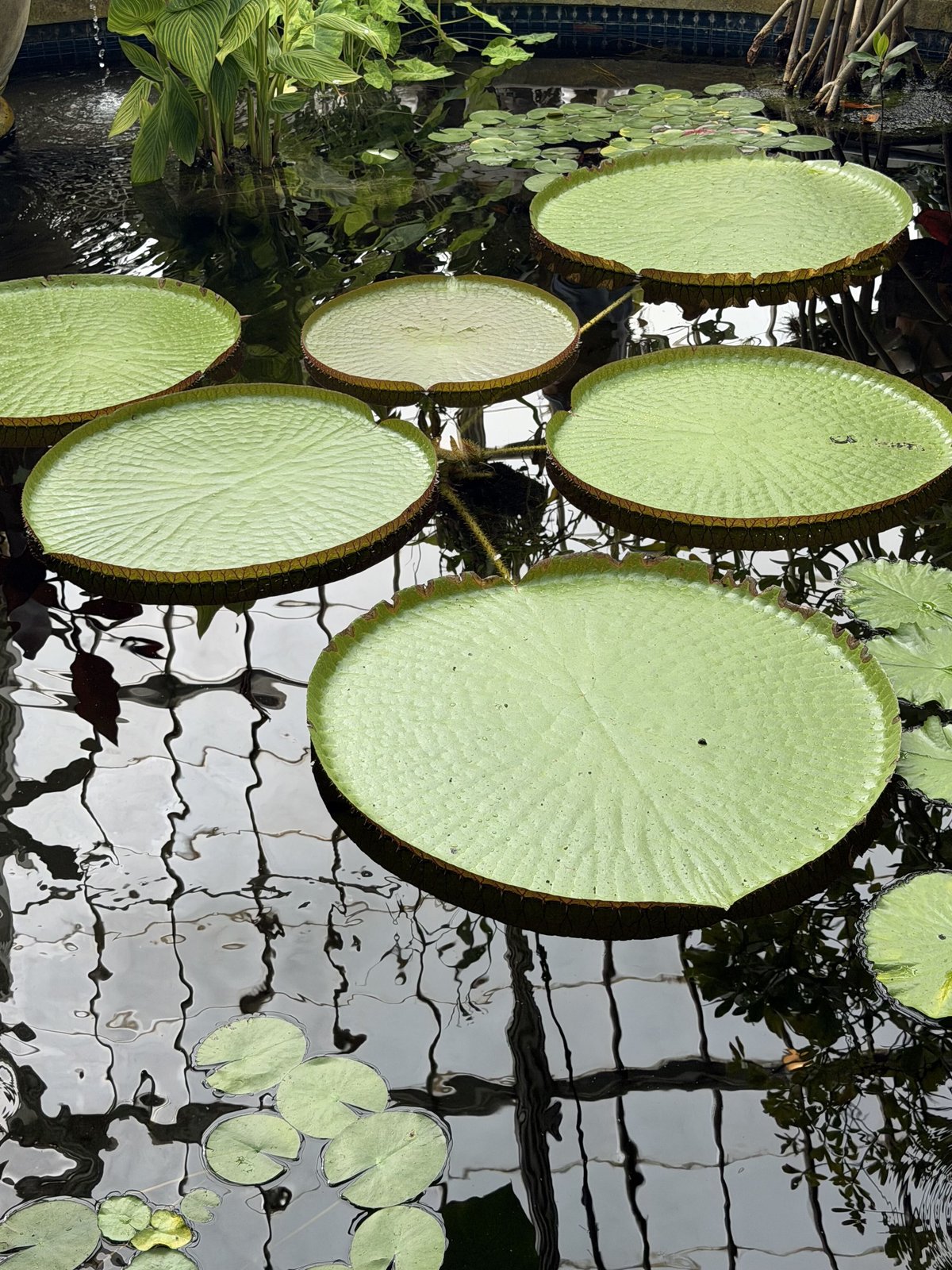
Back in San Francisco, this time for Golden Gate Park rather than a restaurant counter. The park itself is a piece of 19th-century engineering as much as a garden — three-quarters sand dune until William Hammond Hall's reclamation project proved a park could be grown on top of it at all. The Conservatory of Flowers sits at the park's eastern end, a white Victorian glasshouse that predates almost everything else in the park and has been growing the same kinds of tropical oddities — giant Amazon lily pads, carnivorous pitcher plants, orchids — since the 1880s. Tucked in the trees nearby, the log-built Pioneer Log Cabin and the bronze Pioneer Mother Monument both trace back to the same turn-of-the-century push to memorialize the women who settled California before statehood took hold.
The park trip followed two dinners out earlier in the same stretch: modern Cantonese at Empress by Boon, Chef Ho Chee Boon's own place inside the old Empress of China space in Chinatown, and an omakase counter at Kusakabe in Jackson Square, where Chef Mitsunori Kusakabe runs his Kyoto-trained kaiseki style rather than a straight Edomae nigiri procession — the sushi bar that starred five months after it opened in 2014.
Places I visited
History & facts for each spot — with a “then & now” archival photo where one exists. Every one has its own page; open it for the full write-up and all the photos.
Chef and owner of Kusakabe, born and raised in Kyoto, where he trained at Jun-tei, a kaiseki restaurant. He crossed to the US and became executive chef at Michelin-starred Sushi Ran in Sausalito, then Nobu Miami Beach, before opening his own counter in Jackson Square in May 2014 — a Michelin star followed that October,…
Full history & photos →1,017 acres of reclaimed sand dune, bigger than Central Park. Surveyor William Hammond Hall drew the first plan in 1870 and stabilized the dunes with over 155,000 trees; John McLaren, park superintendent from 1889 for the next 53 years, grew it into the wooded park it is today. Everything green here was planted on top…
Full history & photos →The oldest building in Golden Gate Park and the oldest public wood-and-glass conservatory in North America. It began as a private greenhouse ordered by James Lick, the real-estate magnate; when he died in 1876 before it was ever assembled, 27 prominent San Franciscans — including Leland Stanford and Charles Crocker — b…
Full history & photos →A private meeting house built in 1911 for the Association of Pioneer Women of California, a group formed in 1900 to collect and preserve the memories of women who had reached California before 1854. After the 1906 earthquake destroyed their old Financial District meeting room, the group had unpeeled redwood logs floate…
Full history & photos →The oldest Chinatown in North America and the largest outside Asia, anchored on Grant Avenue since Chinese immigrants settled here during the Gold Rush. Burned flat in the 1906 earthquake and rebuilt with the pagoda roofs and dragon lampposts tourists picture today — a deliberate look, designed by the merchant associat…
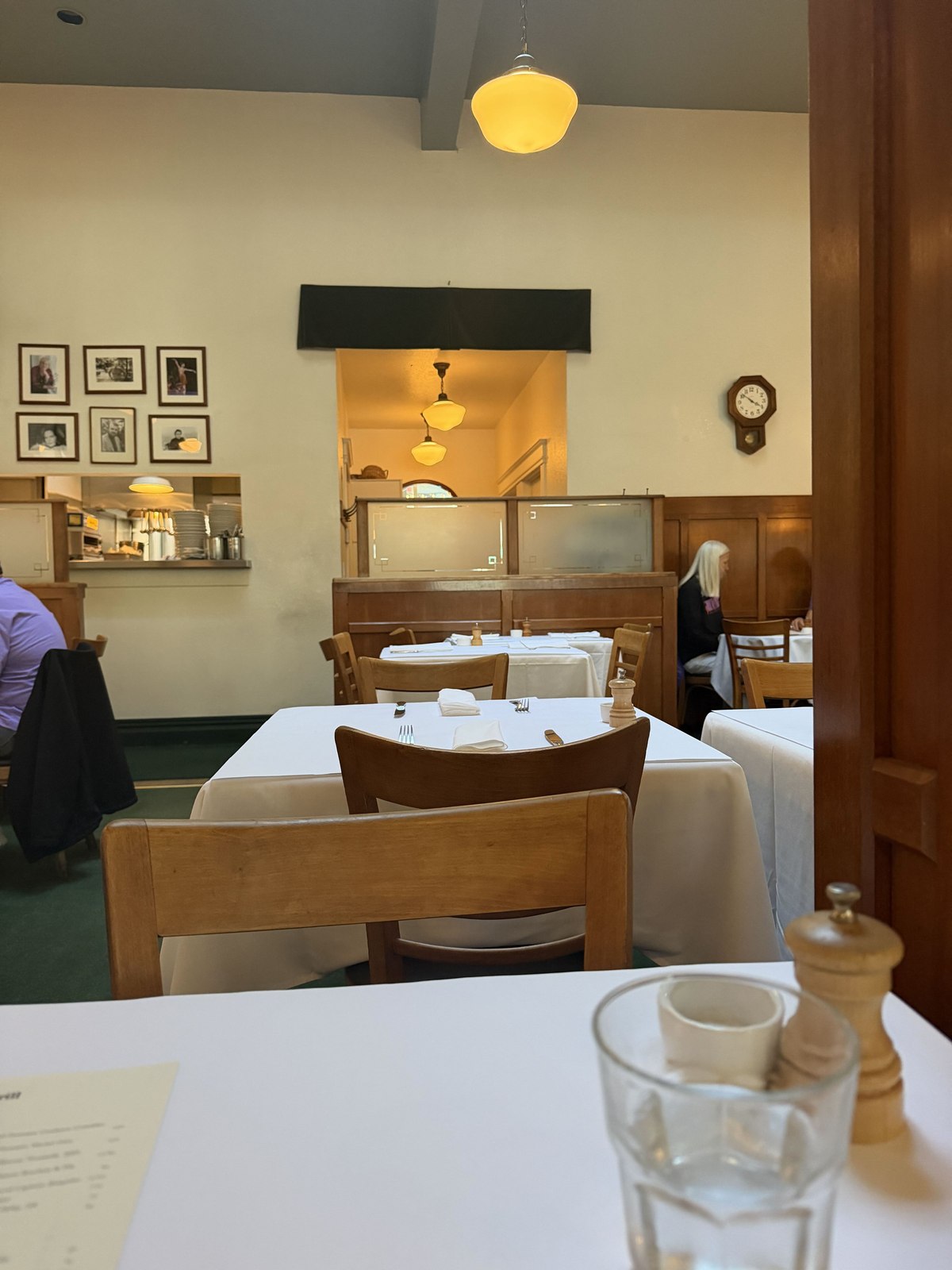
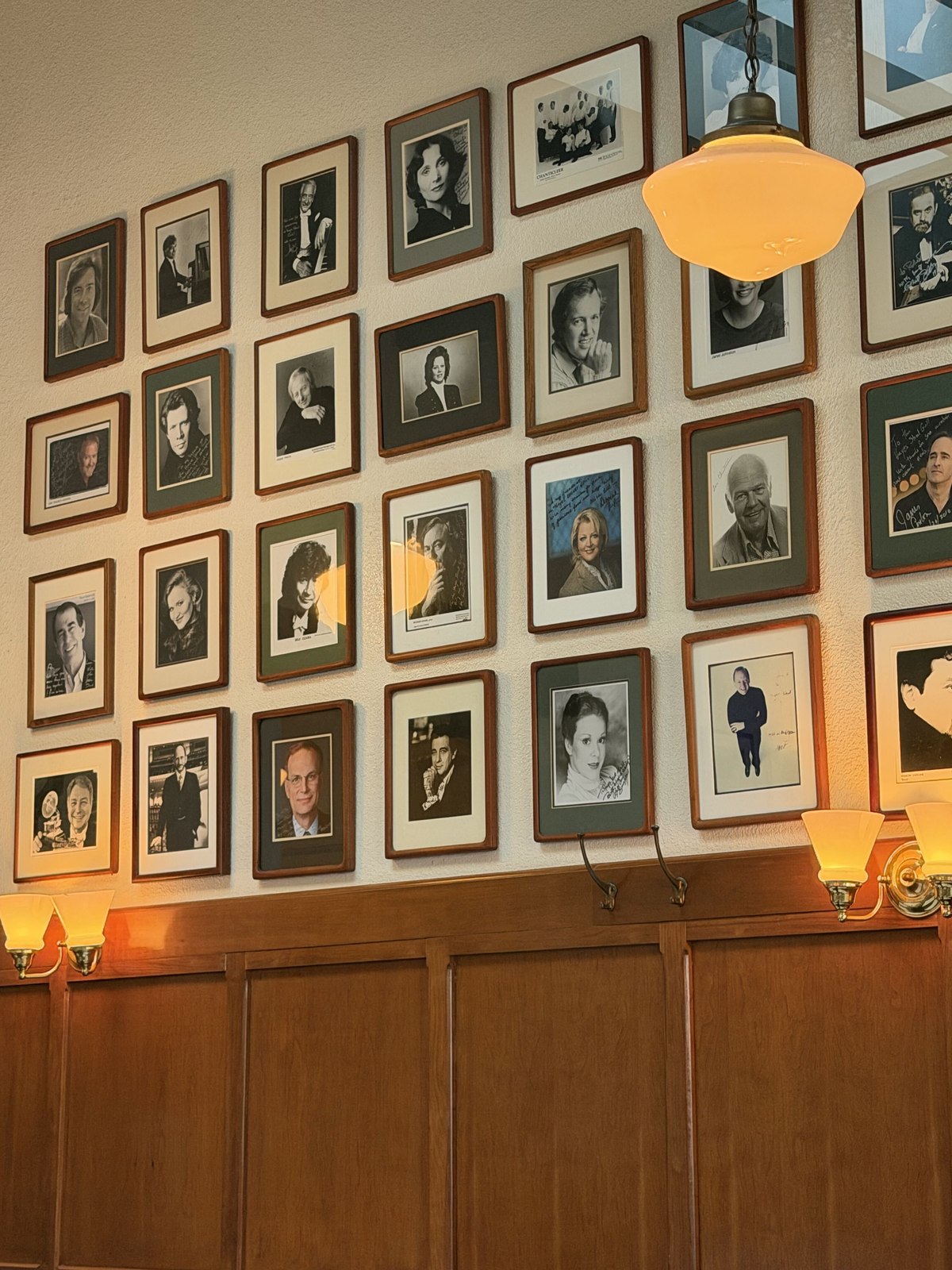
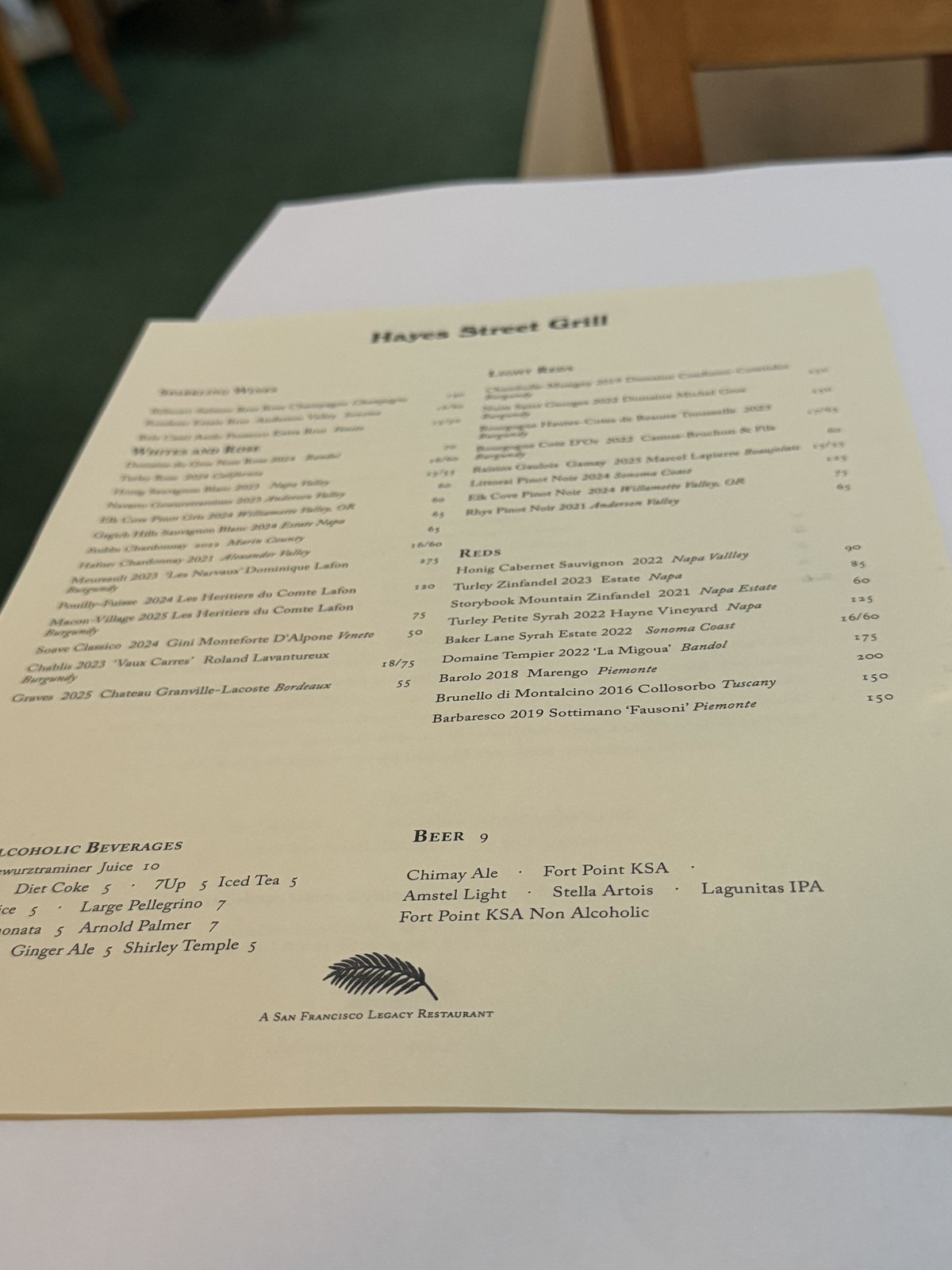
Full history & photos →Read more on Wikipedia →Opened in 1979 by Patricia Unterman and three partners, a year before Davies Symphony Hall even existed across the street — Unterman's own reasoning was that 'there simply wasn't a good choice for dinner before the opera, ballet, or symphony,' so she built one herself, modeled on old-guard San Francisco grills like Tad…
Full history & photos →
Where we ate
Empress by Boon
San Francisco — 838 Grant Ave, ChinatownModern Cantonese · Chef Ho Chee Boon — the executive chef who built Hakkasan into a global brand — opened his own place in 2021 inside the old Empress of China space on Grant Avenue, a 7,500 sq ft top-floor room with sweeping city views. The tasting menu applies his fine-dining technique to Cantonese classics, sourcing local (an organic farm in Gilroy supplies the vegetables) rather than importing the usual banquet-hall ingredients.
Kusakabe
San Francisco — 584 Washington St, Jackson SquareJapanese — sushi omakase, Kyoto style · Chef Kusakabe's sushi carries his Kyoto training, not the heavier Edomae style of most SF sushi counters — the nigiri is built around a kaiseki sense of balance and seasonality, and the meal runs as a full multi-course tasting rather than a straight nigiri procession. He opened his namesake counter in Jackson Square in May 2014 and it starred the same year.
Michelin18-course nightly omakase, Kyoto kaiseki stylethe full page →
My photos